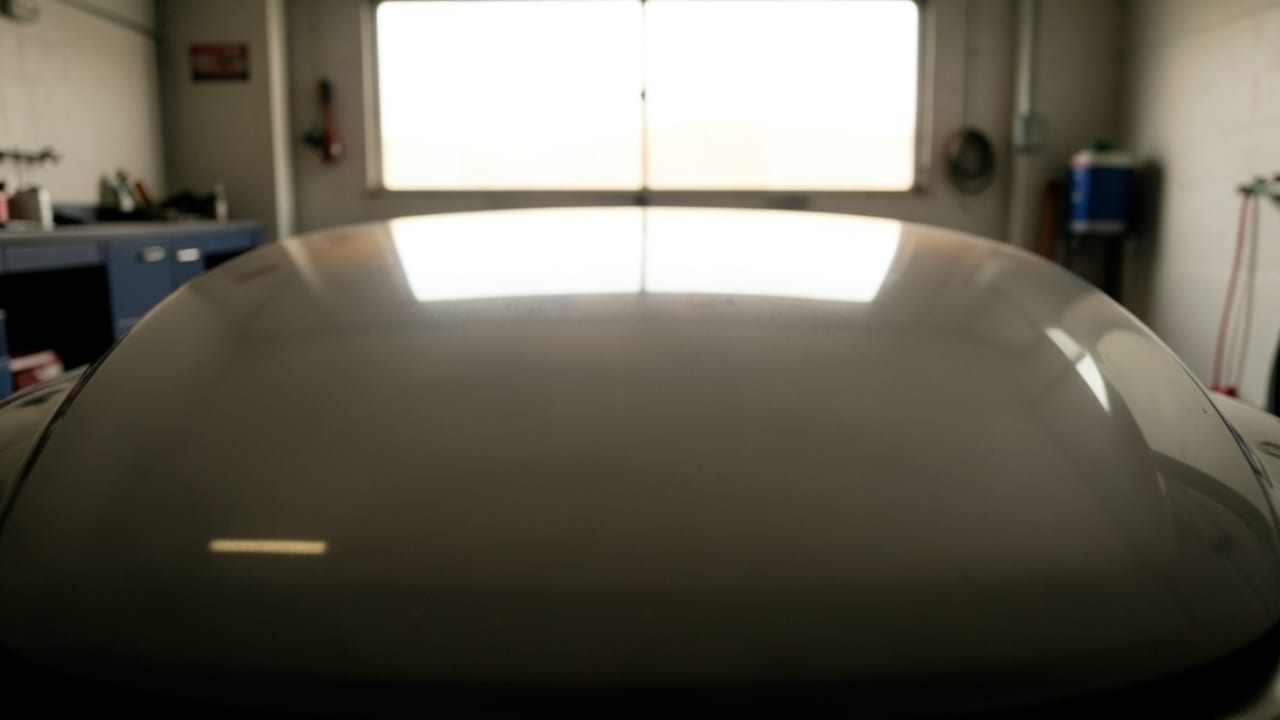
Acid Rain Etch Removal
Professional removal of acid rain etching from vehicle surfaces using ceramic coatings and paint correction.
Richmond’s humid climate and frequent acid rain can leave your vehicle’s paint looking dull or etched over time. Acid Rain Etch Removal restores clarity and protects your car’s finish by carefully removing embedded contaminants and applying a durable ceramic coating.
This targeted process helps maintain your vehicle’s appearance and resists future damage from environmental factors common in the area.
We also handle Metal Surface Anti-Corrosion and Glass Surface Hydrophobic Treatment for Richmond vehicles.
Signs your car needs etch removal
Acid rain and environmental contaminants can etch paint over time, leaving it dull or streaked. Look for tiny dark specks that don’t wash off, a gritty texture when touched, or a faded appearance—especially on lighter paint colors.
These signs indicate embedded contaminants that require specialized treatment rather than a standard wash.
Brake dust, tree sap, or industrial fallout often bond to the clear coat, creating a rough surface that traps dirt. If your car feels bumpy or looks cloudy even after washing, contaminants are likely embedded. Addressing them early prevents deeper etching and preserves your paint’s finish.
When to Consider Etch Removal
- Paint feels rough or gritty to the touch, even after washing.
- Dark specks or streaks remain after soap-and-water cleaning.
- Clear coat appears cloudy or loses its gloss over time.
- Contaminants (brake dust, sap, tar) reappear quickly after removal attempts.
- Your car is frequently exposed to acid rain, bird droppings, or industrial areas.
Why contaminant type matters
Not all contaminants respond to the same treatment. Brake dust, for example, contains iron particles that require a dedicated iron remover to dissolve, while tree sap needs an adhesive-specific formula. Using the wrong product can smear contaminants across the paint, worsening the damage.
A proper assessment identifies the exact contaminant, ensuring the right chemistry is applied. Skipping this step may leave residue that appears removed indoors but reappears outdoors under sunlight.
| Contaminant | Common Source | Required Treatment |
|---|---|---|
| Iron particles | Brake dust, industrial fallout | Iron remover (chemical dwell + clay bar) |
| Tree sap | Parking under trees | Adhesive remover (dwell + mechanical lift) |
| Tar | Road surfaces, parking lots | Tar solvent (dwell + clay bar) |
| Bird droppings | Urban areas, near parks | Acid-neutralizing cleaner (immediate rinse recommended) |
Maintenance after etch removal
Ceramic coatings provide added protection, but their effectiveness depends on proper care. During the curing period (typically 7 days), avoid automatic car washes or harsh chemicals, as they can compromise the coating’s bond. Use a pH-neutral soap and a soft microfiber mitt for hand washing.
Regular rinsing after exposure to contaminants—like bird droppings or sap—helps prevent bonding. Parking away from trees or industrial areas reduces future contamination, extending the time between professional treatments.
A spray sealant applied after decontamination creates a slicker surface, making it harder for new contaminants to bond deeply. This step is often skipped but helps maintain the finish longer.
How acid rain etch removal works
- 1Contaminant Identification
The affected areas are inspected to determine the specific contaminant—iron particles, sap, tar, or bird droppings—since each requires a tailored chemical treatment. This step ensures the right product is used to avoid spreading or embedding the contaminant further.
- 2Targeted Chemical Treatment
A specialized product formulated for the identified contaminant is applied and allowed to dwell on the surface. For example, an iron remover breaks down brake dust particles, while an adhesive remover dissolves tree sap without damaging the paint.
- 3Mechanical Lifting (If Needed)
After the chemical treatment, a clay bar or mitt is gently worked over the area to lift any remaining embedded contaminants. A lubricant is used throughout to prevent scratching the paint during this process.
- 4Rinse and Inspection
The treated area is rinsed thoroughly, and the surface is inspected under direct light to confirm the contaminant is fully removed. Some contaminants may appear gone indoors but reappear outdoors, so this step ensures completeness.
- 5Protective Follow-Up
A spray sealant or coating topper is applied to restore the protective layer stripped during contaminant removal. This step helps maintain the paint’s resistance to future damage and keeps the surface smooth.
Frequently asked questions
How do I know if my car’s paint has been etched by acid rain?
Etched paint often feels rough or gritty to the touch and may appear dull or streaked, especially on lighter colors. If contaminants like brake dust or sap don’t wash off easily or reappear quickly, etching is likely occurring.
Can I remove acid rain etch damage myself?
DIY methods like polishing may temporarily improve appearance but often fail to remove embedded contaminants fully. Professional etch removal uses targeted chemicals and techniques to address the root cause without damaging the paint.
How long does ceramic coating protection last after etch removal?
Ceramic coatings typically last 2–5 years, depending on the product tier and how well the surface is maintained. Regular washing and avoiding harsh chemicals help extend their lifespan.
Will coating prevent future acid rain damage?
Ceramic coatings add a protective layer that resists light contaminants and UV rays, but they don’t eliminate the need for rinsing after exposure to acid rain or bird droppings. Prompt rinsing remains the best way to prevent long-term damage.
Where Richmond sits, and what the Census lists nearby
Richmond sits in Virginia, and the closest places listed in the U.S. Census Gazetteer are Manchester (4.7 miles southwest), Bon Air (5.3 miles west), Montrose (5.6 miles east), Lakeside (5.6 miles north). Within 25 miles of Richmond the same source lists 36 distinct incorporated places and census-designated places.
Those figures matter for acid rain etch removal because they are straight-line distances between Census coordinate points: road mileage between Richmond and Manchester runs longer than the 4.7 miles shown, which is why quotes for the same job differ between towns that look close together on a map.
Source: U.S. Census Bureau Gazetteer.
See Manchester, VA for more, or our full range of ceramic coating services for our complete lineup.
Ready to get started?
Talk to a local ceramic coating pro in Richmond — get a written quote.
Other Ceramic Coating Services in Richmond
Metal Surface Anti-Corrosion in Richmond, VA
Ceramic coatings and specialized paints applied to metal surfaces to prevent rust and corrosion.
Learn More
Glass Surface Hydrophobic Treatment in Richmond, VA
Applying a ceramic coating to glass surfaces for water repellency and easier cleaning.
Learn More
Tree Sap Removal in Richmond, VA
Professional removal of tree sap from vehicle surfaces using safe, paint-friendly methods.
Learn More
Water Spot Removal in Richmond, VA
Professional removal of water spots from ceramic-coated or painted surfaces to restore appearance.
Learn More
Bug Splatter Removal in Richmond, VA
Professional removal of insect residue from vehicle paint without damaging the ceramic coating or finish.
Learn More
Oxidation Removal in Richmond, VA
Professional removal of oxidation from vehicle paint to restore clarity and prepare surfaces for ceramic coating.
Learn MoreCommon Questions About Ceramic Coating in Richmond
Everything you need to know about ceramic coating services in Richmond
How much does Acid Rain Etch Removal typically cost in Richmond, VA?
What local driving and climate factors matter most when choosing a coating tier in Richmond, VA?
How should a coated vehicle be washed after the coating is applied?
Will a ceramic coating stop rock chips or scratches?
What's the actual difference between wax, paint sealant, and ceramic coating?
Can ceramic coating be applied at home instead of by a detailing shop?
Need Ceramic Coating in Richmond?
Get a written quote from our Richmond crew.
⏰ We answer your call • Serving all of Richmond and surrounding areas