The Best Ceramic Coating Brands to Tackle Richmond, VA’s Tough Climate in Ceramic Coating Richmond
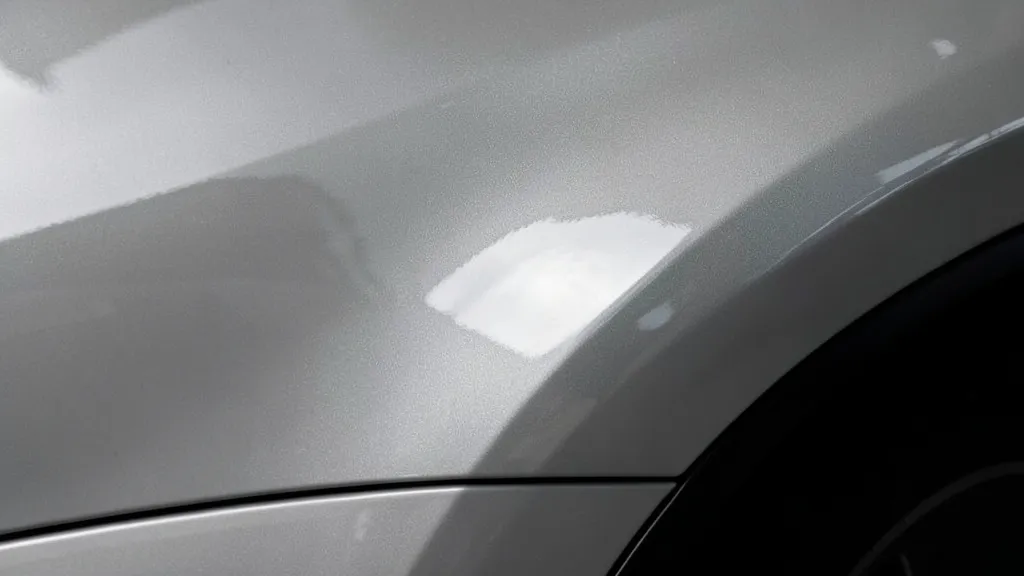
Richmond’s swing from humid summers to salty winters punishes paint fast. We’ve tested the top ceramic coatings under local conditions—here’s what actually holds up against UV, pollen, and road grime in our area. Not all coatings are built for Virginia’s climate extremes.
Why Richmond’s Climate Demands a Specialized Ceramic Coating
Our region’s high humidity accelerates water spotting and oxidation, especially on darker vehicles. A quality ceramic coating with strong hydrophobic properties repels water before it etches the clear coat.
Winter road salt and spring pollen are relentless. Coatings with high chemical resistance (pH 2–12) prevent staining and pitting, while self-cleaning effects reduce pollen adhesion on surfaces.
UV exposure is intense even in cooler months. Look for coatings with UV inhibitors to prevent fading—critical for vehicles parked outside in areas like Glen Allen or Midlothian.
Budget coatings often lack the durability to handle Richmond’s climate. They may bead water initially but fail within months under UV and salt exposure.
What Makes a Ceramic Coating ‘Richmond-Proof’?
Durability is measured in years, not months. Top-tier coatings (9H hardness or higher) resist swirl marks from automatic car washes common in Henrico and Chesterfield.
Hydrophobicity should last beyond the first season. The best coatings maintain beading and sheeting for 2–5 years, even through Virginia’s temperature swings.
Chemical resistance is non-negotiable. Coatings must withstand bird droppings, bug splatter, and industrial fallout without breaking down—common issues near I-95 and I-64 corridors.
Top Ceramic Coating Brands for Richmond’s Conditions
Gyeon Ceramic Coatings lead with multi-layer systems. Their Mohs+ line offers 5+ years of protection, with exceptional UV and chemical resistance—ideal for daily drivers in Mechanicsville’s stop-and-go traffic.
Ceramic Pro’s 9H formula is a favorite for fleet vehicles. Its self-healing properties (when paired with their top coat) handle minor scratches from road debris, a plus for commercial vans in Glen Allen.
CarPro Cquartz stands out for gloss enhancement. The UK Edition 3.0 adds graphene for extra hardness, perfect for show cars in Chesterfield that need mirror-like finishes.
Modesta BC-05 is a premium choice for extreme conditions. Its 10H hardness and 7-year lifespan justify the investment for luxury vehicles exposed to Richmond’s elements year-round.
| Brand | Hardness | Durability | Hydrophobicity | UV Resistance | Best For |
|---|---|---|---|---|---|
| Gyeon Mohs+ | 9H+ | 5+ years | Excellent | High | Daily drivers, UV-heavy areas |
| Ceramic Pro 9H | 9H | 5 years | Very High | High | Fleets, commercial vehicles |
| CarPro Cquartz UK 3.0 | 10H | 4-5 years | Excellent | Very High | Show cars, gloss enhancement |
| Modesta BC-05 | 10H | 7+ years | Outstanding | Very High | Luxury vehicles, long-term protection |
| IGL Kenzo | 9H | 3-4 years | High | High | Budget-conscious, easy application |
Graphene vs. Traditional Ceramic Coatings: What’s the Difference?
Graphene-infused coatings (like CarPro Cquartz UK or Gyeon Synco) add a layer of carbon atoms for enhanced hardness and thermal conductivity. They dissipate heat faster, reducing water spot formation in summer.
Traditional SiO2-based coatings are still highly effective but may lack the extreme durability of graphene. For most Richmond drivers, a high-quality SiO2 coating (9H) is more than sufficient.
Graphene coatings cost more upfront but can extend intervals between maintenance washes. Weigh this against your vehicle’s exposure—daily drivers in high-traffic areas like Midlothian may see faster ROI.
Ceramic coatings amplify your paint’s clarity but won’t fix swirls or scratches. Always start with paint correction for a flawless base—especially for older vehicles in Richmond.
How Richmond’s Seasons Affect Ceramic Coating Performance
Summer humidity tests hydrophobicity. Coatings with weaker water-repellent properties will show reduced beading by August, leading to more frequent maintenance washes.
Winter salt and magnesium chloride eat through inferior coatings. A ceramic layer with strong chemical resistance (like Modesta or Gyeon) prevents corrosion under the film.
Spring pollen is acidic. Coatings with self-cleaning properties (e.g., Ceramic Pro’s top coat) shed pollen easier, reducing the risk of yellow staining on white or light-colored vehicles.
Ceramic Coating vs. Paint Protection Film (PPF): Which to Choose?
Ceramic coatings excel at UV protection, gloss enhancement, and ease of maintenance. They’re ideal for most drivers in Richmond who want long-term paint preservation without the upfront cost of PPF.
PPF offers superior physical protection against rock chips and deep scratches—critical for vehicles frequently driven on gravel roads in areas like Mechanicsville or Henrico.
Many local enthusiasts opt for both: PPF on high-impact areas (hood, bumper) and a ceramic coating over the entire vehicle for comprehensive protection. This hybrid approach maximizes defense against Richmond’s varied threats.
Signs You Need PPF Instead of (or With) a Ceramic Coating
- Frequent highway driving (I-95, I-64) with rock chip risk
- Parking under trees with heavy sap or seed drop
- Vehicle with thin or already damaged clear coat
- Desire for self-healing properties against minor scratches
Preparation Matters: The Key to Long-Lasting Ceramic Coatings
90% of a coating’s lifespan depends on prep. We always start with a thorough decontamination (clay bar, iron remover) to strip embedded pollutants from Richmond’s air and roads.
Paint correction is mandatory. Even minor swirls or oxidation will be locked under the coating, amplifying flaws. This step is non-negotiable for vehicles in Chesterfield or Glen Allen with visible wear.
Controlled environments prevent dust contamination. Our team applies coatings in climate-controlled bays to avoid the humidity and pollen that can ruin a fresh application.
Maintenance Tips to Extend Your Ceramic Coating in Richmond
Wash your vehicle every 2 weeks with a pH-neutral shampoo. Richmond’s pollen and road grime build up fast, and regular cleaning prevents etching under the coating.
Avoid automatic car washes with harsh brushes. Touchless or hand-wash methods preserve the coating’s integrity, especially in high-traffic areas like Short Pump.
Use a ceramic-boosting spray every 3–6 months. Products like Gyeon Ceramic Detailer or CarPro Elixir restore hydrophobicity and gloss, counteracting UV and chemical degradation.
How to Choose the Right Ceramic Coating for Your Richmond Vehicle
Picking the best coating starts with assessing your driving habits and exposure.
- 1Evaluate Your Climate Exposure
Note how often your car faces UV (outdoor parking), salt (winter driving), or pollutants (city commutes). This dictates the hardness and chemical resistance you need.
- 2Assess Your Paint Condition
Older or swirled paint requires correction before coating. Newer vehicles may skip heavy polishing but still need decontamination.
- 3Set a Realistic Budget
Cost varies by brand, layers, and prep work. Professional-grade coatings (5+ years) require more upfront investment but save on long-term maintenance. Request a quote to compare options.
- 4Consider Add-On Services
Pair your coating with PPF for high-impact areas, or add ceramic window tint to reduce heat and UV inside the cabin—popular for Richmond’s sunny summers.
- 5Schedule with a Local Expert
Avoid DIY kits for long-term protection. Our team in Richmond ensures proper prep, application, and curing for maximum durability in our climate.
Frequently Asked Questions
How long does a ceramic coating last in Richmond’s climate?
Professional-grade coatings last 2–5 years, with premium options like Modesta or Gyeon reaching 7+ years. Lifespan depends on maintenance, exposure, and prep quality. Richmond’s UV and salt can shorten this if not cared for properly.
Can a ceramic coating prevent rust in Richmond winters?
Ceramic coatings provide a strong barrier against moisture and salt, significantly reducing rust risk. However, they’re not a substitute for addressing existing corrosion—always treat rust spots before applying a coating.
Is ceramic coating worth it for a daily driver in Ceramic Coating Richmond?
Absolutely. Daily drivers face the most wear from UV, road grime, and automatic car washes. A ceramic coating simplifies maintenance, enhances resale value, and protects your paint far longer than wax or sealants.
What’s the difference between ceramic coating and wax?
Wax offers temporary protection (1–3 months) and minimal UV resistance. Ceramic coatings bond chemically to paint, lasting years with superior durability against Richmond’s elements, including salt, UV, and chemical contaminants.
Do I need paint correction before ceramic coating in Richmond?
Yes, for best results. Paint correction removes swirls, scratches, and oxidation that would be permanently sealed under the coating. Skipping this step is a common regret, especially for vehicles with visible wear.
Can ceramic coating be applied to older cars in Chesterfield or Henrico?
Yes, but the paint must be in restorable condition. Older cars often need more extensive correction to remove oxidation and scratches before coating. Our team assesses each vehicle individually to determine the best approach.